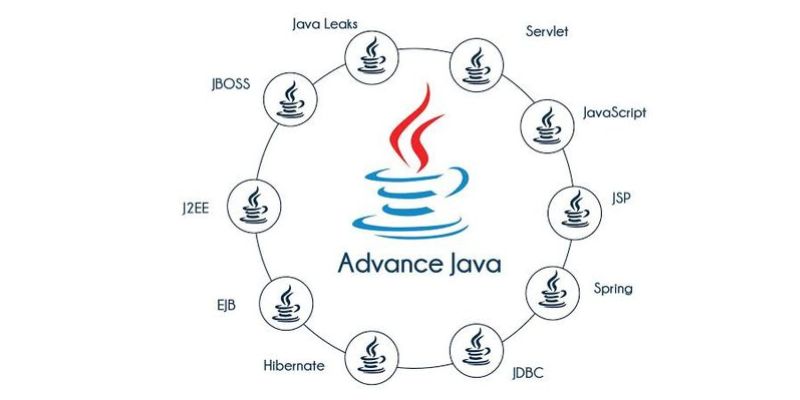
One of the most popular programming languages in the software sector is Core Java. It supplies developers with the fundamental ideas required to create dependable, secure, and scalable systems and forms the basis of the Java programming language. Numerous solutions utilized by companies and individuals globally are still powered by Core Java, ranging from desktop software and enterprise applications to cloud services and mobile development. Developers from a variety of sectors favor it because of its robust standard library, object-oriented methodology, and platform freedom.
Because of its stability, portability, and ongoing development, Core Java is still quite relevant despite the emergence of newer programming languages and frameworks. You can also learn through FITA Academy. Core Java principles are essential to many contemporary technologies, including well-known Java frameworks. In addition to helping aspiring programmers grasp the principles of software development, learning Core Java opens doors to a variety of IT job options. Let’s examine the most prevalent applications of Core Java and the reasons it remains a crucial competency for software developers.
Understanding Core Java and Its Fundamentals
The fundamental features and libraries of the Java programming language that serve as the basis for creating Java applications are referred to as core Java. Classes, objects, inheritance, polymorphism, encapsulation, abstraction, exception handling, multithreading, collections, file handling, input/output operations, and object-oriented programming (OOP) are among its fundamental ideas.
Developers may produce effective, reusable, and manageable code thanks to these ideas. The Java Virtual Machine (JVM), Java Runtime Environment (JRE), and Java Development Kit (JDK), which enable Java applications to run on many operating systems without modification, are also included in Core Java. One of Java’s best features is its “write once, run anywhere” flexibility. Before studying more complex technologies like Spring Boot, Hibernate, Java EE, Android programming, or microservices, a solid grasp of Core Java is necessary. It offers the programming foundation needed to create cutting-edge software solutions in a variety of fields.
Desktop Application Development
Desktop program development is one of the oldest and most popular uses of Core Java. Developers may construct graphical user interface (GUI) apps for Windows, macOS, and Linux using built-in Java APIs like Swing and JavaFX. Businesses, government agencies, healthcare facilities, and educational institutions all make extensive use of desktop programs created with Core Java. You can also learn through Core Java Training in Chennai for expert guidance. Systems for managing inventory, billing, payroll, student administration, banking, and accounting are a few examples.
Java programs may function on various operating systems with little modification since they run through the JVM. For companies that serve users on various platforms, this portability lowers development time and maintenance expenses. Desktop applications still play a significant role in businesses that need independent software with high speed and safe local data processing, even if web and cloud apps have grown in popularity.
Web and Enterprise Application Development
The foundation of web application and enterprise software development is core Java. Although frameworks like Spring and Hibernate make development easier, they are based on fundamental Java ideas like multithreading, collections, exception handling, and object-oriented programming. Enterprise resource planning (ERP) systems, customer relationship management (CRM) platforms, human resource management systems, e-commerce apps, healthcare portals, and educational management software are all developed by large enterprises using Java.
Java is perfect for programs that serve thousands or even millions of users because of its robust security features, scalability, and dependability. Because Java enables complicated business processes while keeping excellent performance, it is frequently used by financial institutions, government organizations, insurance companies, and international corporations.Core Java is a great place to start for long-term software development careers since developers with strong Core Java skills may easily move into enterprise application development by learning advanced Java frameworks and technologies.
Android Development and Cloud-Based Applications
For many years, Java has been one of the primary programming languages used for Android application development. Although Kotlin has gained popularity, many Android applications and libraries still rely on Core Java concepts. You can learn it form B School in Chennai with expert guidance. Understanding classes, objects, inheritance, collections, exception handling, and multithreading helps developers build efficient Android applications.
Core Java is equally important in cloud computing and distributed systems. Many cloud-native applications, web services, APIs, and microservices are built using Java-based technologies that depend on Core Java fundamentals. Java is frequently used by companies creating cloud applications on platforms like AWS, Microsoft Azure, and Google Cloud because to its scalability, dependability, and superior performance. Using Java technology, developers create distributed apps, cloud management tools, backend services, and REST APIs.
As businesses continue migrating to cloud infrastructure, professionals with Core Java skills remain in high demand for developing scalable and secure cloud-based software solutions.
Banking, Financial Services, and Big Data Applications
The banking and financial sectors have relied on Java for decades because of its security, reliability, and transaction processing capabilities. Core Java is widely used in banking software, online payment systems, mobile banking applications and fraud detection solutions.
Java’s scalability, dependability, and superior performance make it a popular choice. For companies creating cloud applications on platforms like AWS, Microsoft Azure, and Google Cloud. Java technologies are used by developers to create distributed applications, cloud management tools, REST APIs, and backend services.
Big data technologies also heavily rely on core Java. Well-known platforms with robust Java foundations or substantial Java support include Apache Hadoop, Apache Kafka, and Apache Spark. Understanding Core Java ideas is very beneficial for developers. That work with data engineering, analytics, and distributed computing. These applications demonstrate how Java extends beyond traditional software development into data-intensive environments. Where scalability, reliability, and performance are essential.
Embedded Systems, IoT, and Other Emerging Applications
Embedded systems, the Internet of Things (IoT), and smart devices are just a few of the new technological areas where Core Java has spread. Because of Java’s portability, programmers may design software that runs on several hardware systems with little to no modification. Java is used by Internet of Things applications to control communication between smart appliances, and sensors. Java-based components are frequently found in connected manufacturing equipment, wearable medical devices. Industrial monitoring systems, and smart home automation systems.
Java is widely used in transportation systems, telecommunications, logistics, and scientific research applications that need scalable and reliable software. These are the applications of java. Core Java is also widely used in the construction of educational platforms, cybersecurity solutions, game development, and enterprise automation systems. Even as new programming paradigms appear throughout the software industry, adaptability. To changing technologies guarantees its continued relevance.
Why Core Java Remains a Valuable Career Skill
Java remains one of the most important programming skills for software workers, even with the advent of more recent programming languages. Its widespread use by businesses that have made significant long-term investments in Java-based systems is one explanation. To maintain, improve, and update current apps, these companies need qualified developers.Additionally, understanding advanced technologies like Spring Boot and Android development starts . It is frequently simpler for developers to learn other object-oriented programming languages if they have a solid foundation in Java.
Excellent documentation, a vibrant developer community, frequent updates, and robust backward compatibility all contribute to the language’s enduring appeal. Professionals with Core Java skills continue to have great employment possibilities. In a variety of areas, including software development, cloud computing, enterprise applications, data engineering, and Android development.
Conclusion
One of the most reliable and adaptable programming languages in the software sector is still core Java. Desktop software, enterprise systems, web applications. And numerous more technical fields are among the many areas in which it finds use. Because of its scalability, security, object-oriented architecture, and platform independence. It is still a top option for companies developing dependable software.