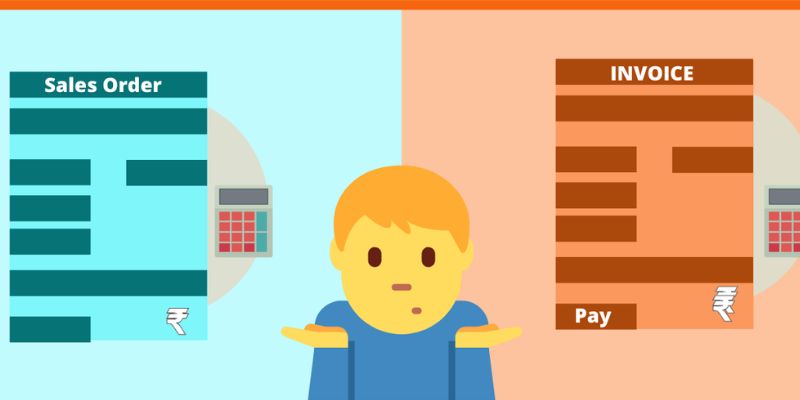
Sales invoices are essential documents that record transactions between businesses and customers. They provide proof of sale, help track revenue, and support tax reporting requirements. However, mistakes can occur during invoice creation, such as incorrect pricing, customer details, or duplicate billing. In these situations, business owners often wonder whether a sales invoice can be cancelled. Understanding the proper process for invoice cancellation helps maintain accurate financial records, ensures compliance with regulations, and prevents confusion in accounting systems. FITA Academy supports learners in developing sales techniques, customer relationship management, lead generation, negotiation, communication, and business development skills.
What Is a Sales Invoice?
A sales details like the invoice number, date, client details, item descriptions, quantities, pricing, taxes, and terms of payment are usually included. Sales invoices are used by businesses to track unpaid bills and record income. Any modifications made to invoices after they are issued must be handled carefully to guarantee transparency and adherence to accounting rules as they become official accounting records.
Why Businesses Cancel Sales Invoices
A company may need to cancel a sales invoice for a number of reasons. Billing issues, duplicate bills, inaccurate client information, price errors, cancelled orders, and returned goods are typical scenarios. An invoice may occasionally be created prior to the completion of a transaction, necessitating cancelation in the event that the sale fails. Sales Training in Chennai offering practical, industry-focused guidance in sales strategies, customer relationship management, lead generation, negotiation techniques, and business communication. In order to avoid accounting problems and ensure accurate financial reporting throughout the whole organization, organizations should swiftly correct invoice mistakes, regardless of the cause.
Can a Sales Invoice Be Legally Cancelled?
A sales invoice can be canceled in various situations, however the procedure varies depending on the invoice status, local laws, and tax obligations. Cancelling an invoice is usually simple if it hasn’t been paid or reported for taxes. However, more documentation can be required once an invoice has been included in tax filings or connected to financial accounts. To prevent compliance difficulties, businesses should always cancel bills in accordance with appropriate accounting standards and regulatory rules.
Cancelling vs. Voiding vs. Crediting
A lot of individuals mistake canceling an invoice with voiding or issuing credit notes. Usually, cancellation happens when an invoice is deleted before it is finished or paid. Marking an invoice as invalid while maintaining a record for auditing reasons is known as voiding. When a current invoice has to be amended following processing or payment, a credit note is provided. Businesses may select the best approach for error correction while keeping accurate and transparent financial records by being aware of these distinctions. Sales Training Institute in Chennai focuses on hands-on, industry-oriented learning. Real-time sales simulations, customer interaction exercises, and practical activities help learners strengthen their selling skills.
Steps to Cancel a Sales Invoice
Depending on the accounting software being utilized, there are differences in the invoice cancellation procedure. In general, users should find the invoice, confirm that it is eligible for cancellation, and then complete the system’s cancellation or voiding process. Companies should record the cause for the cancellation and, if necessary, secure the requisite permits. Accounting records should be examined upon cancellation to make sure balances are still correct. Keeping accurate records shows adherence to internal financial controls and supports audits.
Accounting Implications of Invoice Cancellation
Accounts receivable balances and revenue records are impacted when a sales invoice is cancelled. Inconsistencies in financial reporting and tax computations may result from improper handling. Companies need to make sure that their accounting systems accurately represent cancelled invoices. This might entail altering client account balances or undoing journal entries. These are the importance of sales in the business that you should know. In addition to ensuring that reported income accurately represents business activity rather than invoicing problems, accurate adjustments contribute to the maintenance of trustworthy financial statements.
Tax and Compliance Considerations
When deciding whether to cancel an invoice, tax ramifications are frequently a major factor. For auditing purposes, companies in certain countries are required to keep records of canceled invoices. Further remedial action could be required if taxes have already been computed or reported. Businesses should be aware of local tax laws and keep accurate records for each invoice that is canceled. Working closely with accounting professionals can assist assure compliance and avoid the risk of fines connected to erroneous reporting.
Best Practices for Documentation
Anytime a sales invoice is canceled, proper documentation is required. Companies should document the cancellation date, the cause for the cancellation, the specifics of the permission, and any supporting documentation. When conducting internal or external audits, keeping a transparent audit trail aids in proving responsibility and openness. Notes and activity logs are frequently included in accounting software, which can help with documentation efforts. Regular record-keeping procedures minimize misunderstandings and offer useful information in the event that future inquiries concerning canceled transactions come up.
Common Mistakes to Avoid
Completely erasing invoices rather than use authorized cancellation or voiding methods is a frequent error. During audits, this may lead to gaps in accounting records. Another mistake is not updating financial reporting after the cancellation or failing to record the cause for the cancellation. Additionally, companies should refrain from canceling bills without the required authority. Accurate record management may be ensured and risks reduced by establishing clear rules and adhering to standard operating procedures.
How to Reduce Invoice Cancellations
It is frequently simpler to avoid invoicing problems than to fix them after the fact. By putting in place invoice review procedures, automating computations, confirming client data, and educating staff on invoicing techniques, businesses may lower cancellations. Accuracy may be increased and human mistakes reduced by using trustworthy accounting software. Prior to sending out bills, routine quality checks aid in the early detection of possible problems. These proactive steps promote more effective financial management, enhance client happiness, and save time.
Conclusion
It is frequently possible to cancel a sales invoice, however the best course of action depends on the invoice’s state, accounting specifications, and relevant laws. Businesses must adhere to the correct procedures when canceling, voiding, or issuing credit notes in order to keep accurate records and compliance. Effective invoicing procedures, robust internal controls, and clear documentation all aid in lowering mistakes and streamlining the rectification process. Businesses may safeguard financial correctness and promote long-term operational success by comprehending how invoice cancellation operates.